Why Your Franchise Sign Needs to Match Brand Standards Exactly
Off-brand colors cost a franchise owner $20K in lost sales. Why "close enough" franchise signage makes customers question if you're real.
Why Your Franchise Sign Needs to Match Brand Standards Exactly
You’ve done everything right.
You paid the franchise fees, completed the training, followed the playbook, and built your location to spec. Then it’s time for signage.
Corporate sends the brand standards—exact colors, logo proportions, fonts, lighting requirements. And the thought creeps in:
Does it really need to be that precise?
Can’t I save a couple thousand?
No one will notice.
They will. And it will cost you.
.png)
When “Close Enough” Breaks Trust
A quick-service franchise opened a new location in Pickering. The owner knew the brand well and received full signage specifications from the corporate.
Three quotes came in. Two franchise-specialized sign companies priced the job around $7,500. A smaller local shop offered to do it for $4,200 and promised the colors would be “close enough.”
The owner chose the cheaper option.
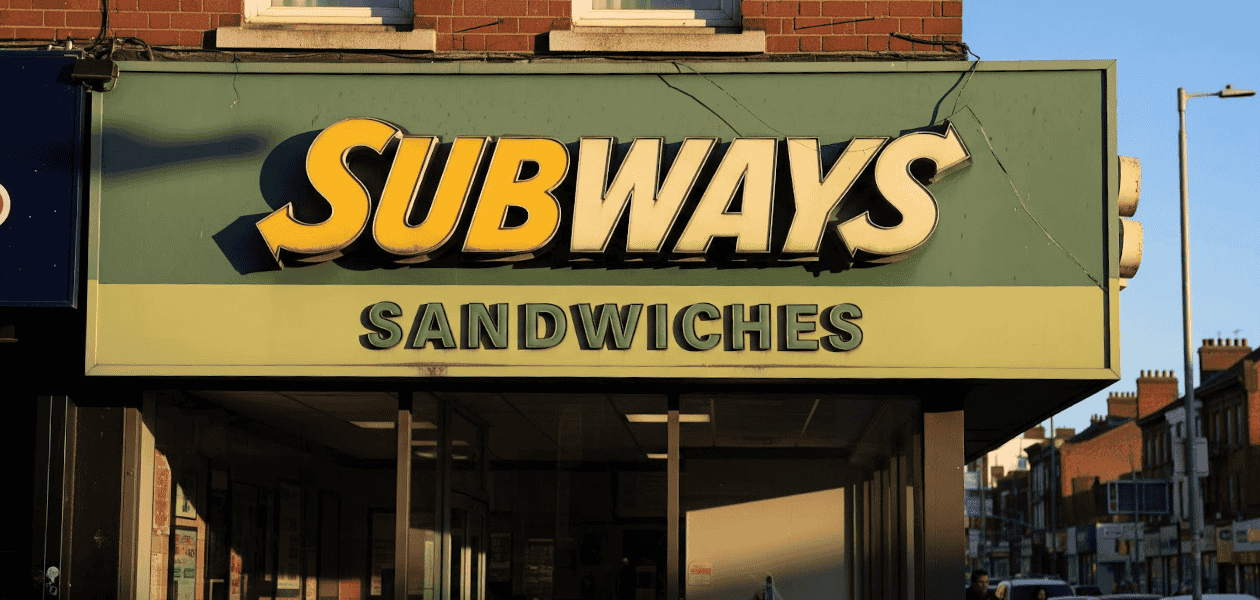
When the sign went up, something fell off. The red leaned orange. The logo proportions were slightly stretched. The lighting looked uneven at night.
Up close, it passed. From the road—where customers make split-second decisions—it didn’t.
What Customers Actually Experienced
Within the first week, customers started asking if the location was really affiliated with the brand. One person posted a photo online questioning whether it was a copycat.
By week two, a regular customer commented that the food “tasted different.” Nothing had changed. Same suppliers. Same recipes. Same staff training.
The doubt started with the sign—and it colored everything else.
By week three, reviews reflected it:
- “Not sure this is a real [Brand Name]”
- “Something feels off”
- “Colors don’t look right”
Foot traffic lagged. The owner blamed marketing and location. Corporate came out, took one look at the sign, and said:
“That’s the problem.”
.png)
Why This Happens
Brand recognition is subconscious.
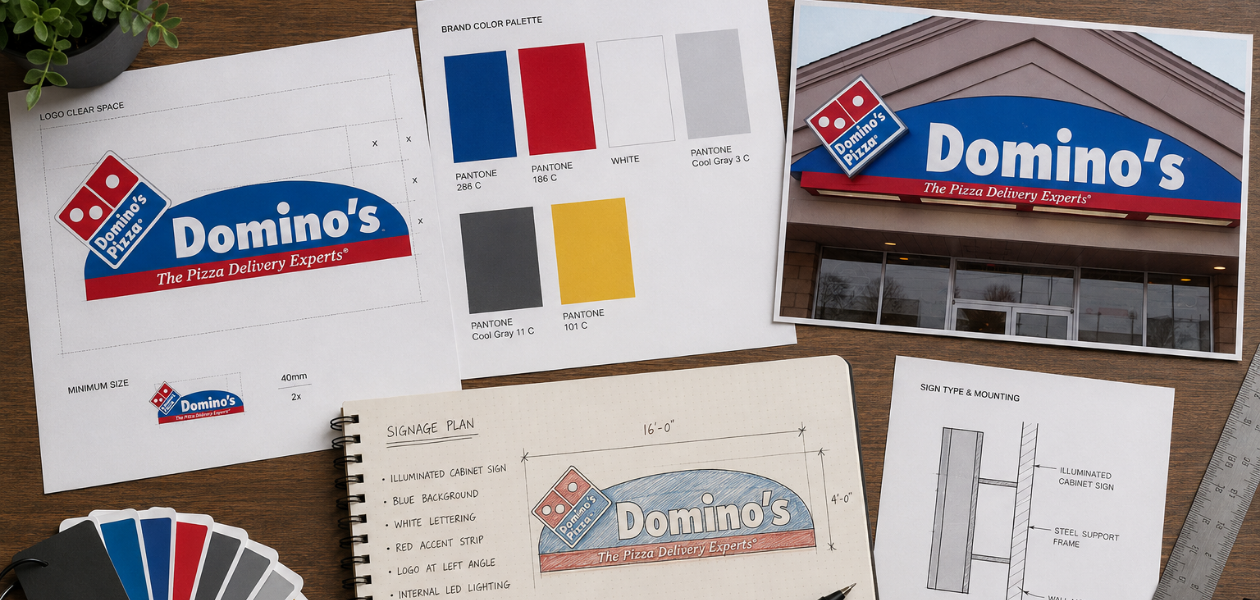
Customers don’t know Pantone codes or logo ratios, but their brains instantly recognize when something doesn’t match what they’ve seen hundreds of times before.
When a franchise sign is even slightly off:
- Recognition breaks
- Uncertainty kicks in
- Trust drops
- Customers keep driving
A 10% color difference is enough.
A small logo distortion is enough.
Uneven lighting is enough.
In branding, there is no middle ground. It either feels right—or it doesn’t.
The Real Cost of Getting It Wrong
Over three months, the location ran at roughly 70% of expected performance. Reviews questioned legitimacy. Corporate required the sign to be replaced to meet franchise standards.
The numbers were painful:
- Original sign: $4,200
- Replacement sign: $7,500
- Lost revenue over three months: an estimated $15,000–$20,000
Trying to save money ended up costing well over $20,000.
Why Brand Standards Aren’t Optional
Franchise brand guidelines exist for one reason: consistency builds trust.
When customers see your sign, their brain asks one question instantly:
Is this the brand I know?
If the answer is yes, trust transfers automatically. If not, hesitation wins—and hesitation kills foot traffic.
This is why franchise agreements treat signage standards as non-negotiable. Inconsistent signage doesn’t just hurt one location. It weakens the entire brand.
How to Get Franchise Signage Right the First Time
Work with a sign company that understands franchises—not just fabrication.
They should have experience with brand compliance, exact color matching systems, in-house production, and a process for approvals and permits.
Do not negotiate brand standards. Exact colors, materials, lighting, proportions, and placement exist for a reason.
Request a physical sample before full production. A single illuminated letter can confirm everything before thousands are spent.
And be present on installation day. Verify alignment, lighting, and accuracy in real conditions.
The Outcome When It Was Fixed
Once the correct sign went up, the change was immediate.
Foot traffic increased within days. Customers said, “I’ve been waiting for you to open here,” unaware the location had already been operating for months.
Reviews shifted. Sales climbed. By the third month, the location exceeded projections.
Nothing else changed—only the sign.
The Bottom Line
Your franchise sign is not decoration. It’s a trust signal.
Before customers taste the food, meet the staff, or see the menu, they decide if you’re legitimate. That decision happens in seconds—and it starts with your sign.
Match the brand exactly.
Pay for precision the first time.
Because “close enough” doesn’t save money.
It quietly destroys trust.
Opening a franchise location?
Work with a sign company that specializes in franchise brand compliance.
👉 Get a Free Franchise Signage Consultation